
Finding the right Dumpster for Junk Removal can make a major difference when tackling a home cleanout, renovation, or large-scale decluttering project. With so many options available locally, it’s important to understand what factors truly matter before making a decision. Choosing the wrong dumpster size or service provider can lead to unnecessary costs, delays, or even compliance issues with local regulations.
This guide is designed to help homeowners and businesses navigate the process with confidence. From understanding dumpster sizes to evaluating local providers, you’ll learn how to select a solution that fits your specific needs. Whether you’re clearing out a garage or managing construction debris, making an informed choice ensures efficiency, cost-effectiveness, and a smoother overall experience.
Understanding Your Junk Removal Needs
Before selecting a dumpster, it’s essential to clearly define the scope of your project. Are you cleaning out a single room, renovating a kitchen, or handling a full property cleanout? Each scenario requires a different approach, and understanding the volume and type of waste you’ll generate is the first step toward choosing the right solution.
Different materials also impact your decision. Household junk, construction debris, yard waste, and heavy materials like concrete all have different disposal requirements. Knowing what you plan to throw away helps ensure you choose a dumpster that can handle the load safely and legally.
Taking time to assess your needs prevents overpaying for a dumpster that’s too large or facing the inconvenience of one that’s too small. It also helps your local provider recommend the best option tailored to your project.
Choosing the Right Dumpster Size
Dumpster sizes vary widely, and selecting the correct one is crucial for both efficiency and cost control. Common sizes range from 10-yard dumpsters for small cleanouts to 40-yard dumpsters for major construction or demolition projects.
If you underestimate your needs, you may require multiple hauls, which increases your overall expense. On the other hand, choosing a dumpster that’s too large can mean paying for unused space. It’s about finding the balance that matches your project scope.
A good rule of thumb is to slightly overestimate your waste volume if you’re unsure. Local providers can also guide you based on your project description, ensuring you get a dumpster that accommodates your needs without unnecessary costs.
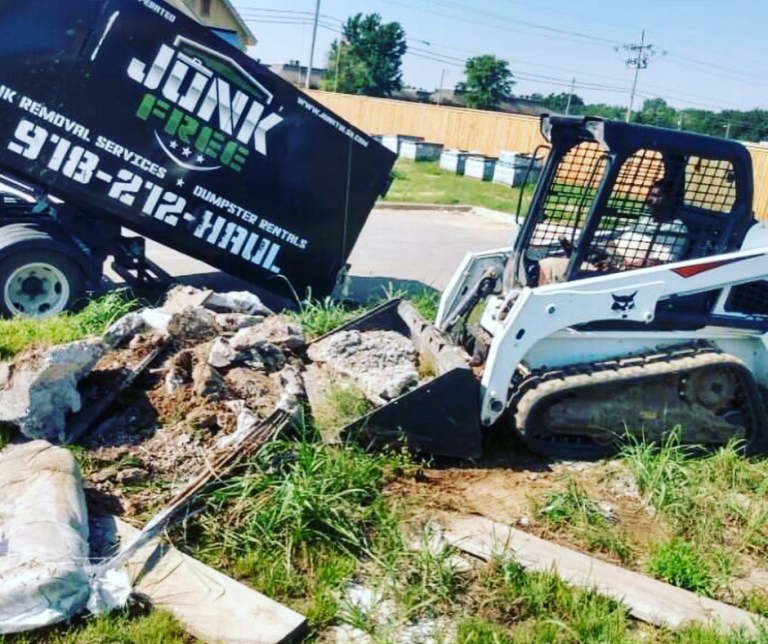
Evaluating Local Dumpster Providers
Not all dumpster rental companies offer the same level of service. When selecting a local provider, consider their reputation, experience, and customer reviews. A reliable company will be transparent about pricing, policies, and timelines.
Look for providers who are responsive and willing to answer your questions. Good communication is a strong indicator of professional service. Additionally, companies familiar with your local area are better equipped to handle permits, regulations, and efficient delivery.
Choosing a trusted local provider ensures your dumpster arrives on time, is placed correctly, and is picked up promptly when your project is complete.
Understanding Pricing and Hidden Fees
Cost is often a deciding factor when renting a dumpster, but it’s important to understand what’s included in the quoted price. Some companies offer flat-rate pricing, while others charge based on weight, rental duration, or additional services.
Be sure to ask about potential hidden fees. These may include overage charges, extended rental periods, or disposal of restricted items. Knowing these details upfront helps you avoid unexpected expenses.
Comparing multiple quotes from local providers can give you a clearer picture of the market rate. However, the cheapest option isn’t always the best—value, reliability, and service quality should also be considered.
Knowing Local Regulations and Permits
Depending on your location, you may need a permit to place a dumpster on public property such as a street or sidewalk. Local regulations can vary, and failing to comply may result in fines or project delays.
Working with a local dumpster provider can simplify this process. Many companies are familiar with municipal requirements and can guide you through obtaining the necessary permits. Some may even handle the paperwork on your behalf.
Understanding these regulations ensures your project runs smoothly and avoids unnecessary complications. It’s always better to address these details before the dumpster arrives.
Considering Placement and Accessibility
Where you place your dumpster is just as important as the size you choose. The location should be easily accessible for both loading and pickup. Driveways are often ideal, but space limitations or local rules may require alternative placement.
Ensure there’s enough clearance for the delivery truck and that the surface can support the weight of a loaded dumpster. Placing it too far from your work area can slow down your project, while poor positioning may lead to safety concerns.
Planning ahead for placement helps maximize efficiency and minimizes disruptions during your cleanup or renovation process.
This guide is designed to help homeowners and businesses navigate the process with confidence. From understanding dumpster sizes to evaluating local providers, you’ll learn how to select a solution that fits your specific needs. Whether you’re clearing out a garage or managing construction debris, making an informed choice ensures efficiency, cost-effectiveness, and a smoother overall experience.
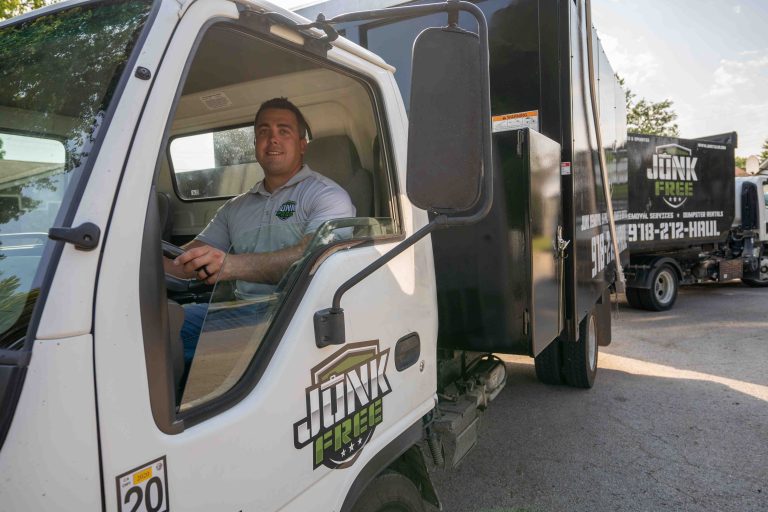
Identifying Acceptable and Restricted Materials
Not all items can be disposed of in a standard dumpster. Hazardous materials such as chemicals, batteries, and certain electronics are typically restricted due to environmental regulations.
Before loading your dumpster, confirm what materials are allowed. This prevents additional fees and ensures compliance with disposal laws. Many providers offer guidance or alternative solutions for restricted items.
Understanding these guidelines helps you avoid complications and ensures your waste is handled responsibly.
Scheduling and Rental Duration
Timing plays a significant role in your dumpster rental experience. Most companies offer flexible rental periods, but it’s important to estimate how long you’ll need the dumpster.
If your project runs longer than expected, extending your rental may incur additional costs. Conversely, finishing early may allow you to schedule an earlier pickup, freeing up space and reducing inconvenience.
Planning your timeline carefully ensures you get the most value from your rental and keeps your project on track.
Prioritizing Customer Support and Reliability
Strong customer support can make a big difference when renting a dumpster. Issues such as delayed delivery or unexpected changes can disrupt your project if not handled properly.
Choose a provider known for reliability and responsiveness. Quick communication and problem-solving can save you time and stress. Reading reviews and asking for recommendations can help you identify companies that consistently deliver excellent service.
A dependable provider ensures your experience is smooth from start to finish, allowing you to focus on completing your project.
Conclusion
Choosing the right Dumpster for Junk Removal involves more than just picking a size and scheduling a delivery. By understanding your project needs, evaluating local providers, and considering factors like pricing, regulations, and placement, you can make an informed decision that saves time and money. Proper planning ensures a smoother cleanup process and avoids unnecessary stress.
If you’re in Bixby and need reliable service, Junk Free LLC is ready to help. Their team offers professional support, flexible options, and dependable service tailored to your needs. For assistance with your next project, contact them at +1 918-212-4285 and experience efficient, hassle-free junk removal solutions.