
Choosing the right dumpster size is an important step when planning a home renovation, property cleanout, landscaping project, or construction job. A container that is too small may require additional hauling, while one that is too large could mean paying for more capacity than you need. Understanding the amount and type of waste your project will generate can help you make a more informed decision.
Dumpster sizes are typically measured in cubic yards, which indicate how much material a container can hold. The right option depends on your project’s scope, the materials being discarded, and any weight restrictions that apply. For property owners and contractors in Kiefer, Oklahoma, estimating waste volume before renting a container can help simplify cleanup planning. Junk Free LLC can be contacted at 918-212-4285 to discuss your project’s dumpster needs.
Understand Common Dumpster Sizes
Dumpsters are available in several sizes to accommodate different cleanup and construction needs. Smaller containers are generally suitable for minor cleanouts, while larger options can handle more substantial renovation or construction debris.
Common rental sizes include 10-yard, 15-yard, 20-yard, 30-yard, and 40-yard containers, although availability varies by provider. Each size offers a different amount of space, so it helps to estimate how much material you expect to remove before making a selection.
Estimate the Amount of Waste
Start by identifying everything you plan to discard. Furniture, household clutter, drywall, flooring, branches, and other debris can occupy different amounts of space, even when their weights vary considerably.
Consider the number of rooms involved, the size of the property, and whether the project includes bulky materials. Creating a rough inventory can help you estimate the volume of waste and determine which dumpster capacity may be appropriate.
Choose a Size for Small Cleanouts
A 10-yard container may be appropriate for smaller projects, such as cleaning out a garage, removing accumulated household items, or handling debris from a minor renovation. Its capacity can be useful when the volume of discarded material is relatively limited.
However, bulky furniture, cabinets, and other large items can fill a container faster than expected. Before selecting a smaller size, consider how much space these items will occupy and whether your project may generate additional waste.
Select a Dumpster for Home Renovations
Home improvement projects can produce a mixture of drywall, wood, flooring, cabinets, and other construction debris. A 15-yard or 20-yard container may suit some moderate renovations, depending on the rooms being updated and the amount of material removed.
Larger renovations may require additional capacity. If you are remodeling multiple rooms or removing substantial amounts of building material, discuss the project’s scope with your rental provider before deciding on a size.
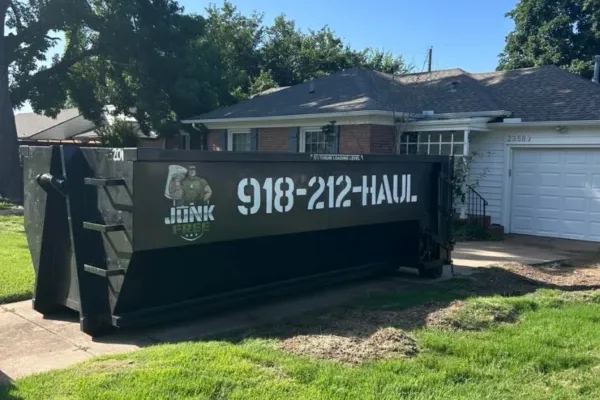
Consider Larger Construction Projects
Major renovations, roofing jobs, and construction projects can generate considerable waste. A 30-yard or 40-yard container may be worth considering when the expected debris volume is high and the materials are permitted for disposal.
The largest container is not automatically the best choice. Heavy debris can reach weight limits before the container is full, so confirm the provider’s restrictions and explain which materials your project will produce.
Account for the Type of Materials
The type of waste matters just as much as its volume. Lightweight household items may fill a container without adding excessive weight, while concrete, soil, brick, and roofing shingles can become heavy quickly.
Some materials may also require special handling or may not be accepted in standard rental containers. Ask your provider about disposal rules before loading the dumpster, particularly when dealing with construction materials, electronics, chemicals, or other restricted waste.
Check Weight Limits and Rental Rules
Dumpster rentals may include weight allowances, rental periods, and additional charges for exceeding specified limits or keeping a container longer than agreed. These conditions can affect the total cost of your project.
Review the rental terms before scheduling delivery. Confirm the maximum permitted weight, accepted materials, pickup arrangements, and any local requirements that may apply to placing the container on private property or public streets.
Plan the Placement Location
Before delivery, identify a suitable location with enough space for the container and the delivery vehicle. Driveways, construction sites, and other accessible areas may work, depending on the container’s dimensions and the surrounding conditions.
Check for overhead branches, low wires, narrow entrances, and other potential obstacles. If the container must be placed on a public street or another regulated area, determine whether permission or a permit is required.

Avoid Common Dumpster Sizing Mistakes
One common mistake is estimating waste based only on the project’s size without considering bulky items or unexpected debris. Another is choosing a container based solely on its price without checking capacity, weight restrictions, and rental conditions.
It is also helpful to plan for waste generated as the project progresses. If you are uncertain between two sizes, describe the materials and project scope to your provider and ask which option is most suitable.
Frequently Asked Questions
What is the most common dumpster size for home projects?
A 20-yard container is commonly considered for moderate renovation work and larger household cleanouts. The right choice depends on the volume and weight of the materials involved.
How do I estimate how many cubic yards I need?
Estimate the amount of debris your project will generate and compare it with the stated capacity of available containers. A rental provider can help assess your estimate based on the materials and project scope.
Can heavy materials go into a dumpster?
Some providers accept certain heavy construction materials, but restrictions and weight limits vary. Confirm acceptance and loading requirements before disposing of concrete, soil, brick, or similar debris.
Is a larger dumpster always more cost-effective?
Not necessarily, because rental prices, weight allowances, and project requirements differ. Compare the total rental terms and select a capacity that fits your expected waste volume.
How can I arrange dumpster service in Kiefer, Oklahoma?
Contact Junk Free LLC at 918-212-4285 to discuss your project and ask about available services. Confirm container sizes, pricing, accepted materials, and scheduling directly with the company.
Conclusion
Choosing the right dumpster size starts with understanding your project’s scope, estimating the amount of waste, and identifying the materials you need to discard. Smaller containers may suit minor cleanouts, while larger options can accommodate more extensive renovations and construction work. Weight limits, restricted materials, placement requirements, and rental terms should also factor into your decision.
Taking time to evaluate these details can help you avoid selecting a container that does not meet your project’s needs. When comparing available options, provide an accurate description of the debris and ask about capacity, pricing, and disposal requirements before arranging delivery.
Contact Junk Free LLC for Your Project
Planning a cleanup or renovation in Tulsa? Contact Junk Free LLC at 918-212-4285 to discuss your project requirements and learn more about available services.
Call today to ask about suitable options, rental details, and scheduling. Confirm the services offered, container availability, and pricing directly with the company before making arrangements.