
Consider the Size of Your Renovation
The size of your project is one of the biggest factors in deciding whether you need a dumpster. Small jobs, such as painting a room, replacing a vanity, or changing a few fixtures, may only produce a limited amount of waste that can be handled through regular garbage collection.
Larger renovations can create considerably more debris. Kitchen remodels, bathroom renovations, flooring replacements, room additions, and demolition projects may produce drywall, cabinets, wood, tile, carpet, and other bulky materials.
When debris begins accumulating faster than your household trash service can handle, renting a container can be a practical solution. Instead of repeatedly loading your vehicle and driving to a disposal facility, you can place renovation debris into one central location.
Consider your project’s expected waste before making a decision. If you’re anticipating several vehicle loads of debris, professional waste removal may save considerable time and effort.
Identify the Materials You Are Removing
The type of renovation waste matters as much as the quantity. Common materials include drywall, lumber, flooring, cabinets, carpeting, countertops, doors, and other construction debris.
Before arranging waste removal, make a list of the materials your project will produce. Some items may have special disposal requirements and should not automatically be placed with ordinary renovation waste.
Paint, chemicals, certain electronics, and potentially hazardous materials may require separate handling. Local regulations and the waste provider’s policies determine which materials are accepted.
Heavy materials such as concrete, brick, soil, and large amounts of tile can also have specific weight restrictions. Understanding these rules beforehand can prevent additional fees or disposal problems.
If you’re unsure whether something can be accepted, ask the waste removal company before loading it. Knowing the requirements in advance makes cleanup safer and more efficient.
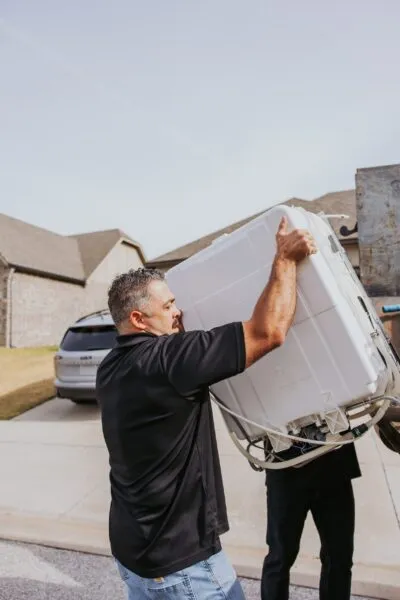
Demolition Creates a Significant Amount of Waste
Demolition is often the messiest stage of a renovation. Removing cabinets, flooring, drywall, walls, fixtures, and other materials can quickly leave large piles of debris throughout the property.
Having a dumpster available gives you a dedicated location for these materials. Workers can move debris directly from the renovation area into the container instead of allowing piles to build up around the home.
A cleaner work area can also make the renovation safer. Loose boards, broken materials, nails, drywall pieces, and other debris can create tripping hazards and make it harder to move tools and materials around the property.
For major demolition projects, having waste removal arranged before work begins can make a significant difference. You can continue working without constantly stopping to determine how and where to dispose of debris.
If demolition is part of your renovation, consider arranging the container before the first materials are removed.
Think About Your Project Timeline
The length of your renovation should also influence your waste removal plans. A project lasting several days or weeks can generate debris gradually, making regular household garbage collection impractical.
A rental container allows you to dispose of waste throughout the project rather than waiting until everything is finished. This can be especially helpful for renovations completed in multiple stages.
Before scheduling service, estimate how long the project will take. Ask the provider about rental periods and what happens if your renovation takes longer than expected.
Construction schedules can change because of material delays, unexpected repairs, or additional work discovered during demolition. Knowing your options for extending the rental can prevent unnecessary stress.
Planning waste removal around the project timeline helps keep the property organized from demolition through final cleanup.
Make Sure You Have Enough Space
Before renting a dumpster, determine where it will be placed. The location needs to provide enough room for delivery, loading, and eventual pickup.
A driveway is often a convenient option, but you should consider access for the delivery vehicle. Parked cars, fences, low branches, narrow driveways, and other obstacles can interfere with placement.
Think about how the container will affect your normal routine as well. If you regularly park in the driveway, you may need to temporarily use another location.
If you want the container placed on a public street, local regulations may require a permit. Check with your municipality before scheduling delivery.
Choosing an accessible and appropriate location helps prevent delivery issues and makes it easier for everyone working on the renovation to dispose of debris.
Compare Other Waste Disposal Options
Renting a dumpster is convenient, but it isn’t the only option for renovation waste. Small projects may be manageable through regular garbage collection, recycling, donations, or personal trips to a local disposal facility.
Usable cabinets, appliances, doors, fixtures, and other materials may be donated or reused instead of discarded. Recycling appropriate materials can also reduce the total amount of waste requiring disposal.
However, personal disposal can become difficult when the project produces large amounts of bulky debris. Your vehicle has limited capacity, and multiple trips take time and effort.
For larger renovations, professional waste removal can simplify the process by allowing you to manage substantial amounts of debris in one location.
Consider both the financial cost and the value of your time. A disposal method that appears inexpensive may require several hours of loading, driving, unloading, and repeating the process.
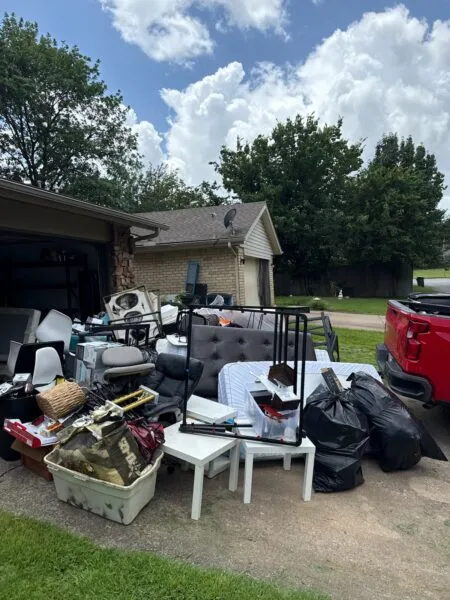
Choose an Appropriate Container Size
If you decide to rent a dumpster, choosing the right size is important. A container that is too small may require additional service, while one that is significantly larger than necessary could increase your costs.
Estimate how much debris your renovation will produce and consider the materials involved. Bulky items such as cabinets and furniture can take up substantial space, while heavy materials such as concrete can reach weight limits quickly.
If you’re unsure which size is appropriate, describe your renovation to the waste removal provider. They can help you determine how much capacity you’ll likely need.
Avoid filling the container above its designated level. Overfilled materials can create transportation hazards and may need to be removed before pickup.
Choosing the right capacity from the beginning can make your renovation cleanup more predictable and convenient.
Plan Waste Removal Before Renovation Begins
Waste management should be included in your renovation plan from the start. Before demolition begins, decide what will be discarded, donated, recycled, or handled separately.
If you’re renting a dumpster, schedule delivery close to the beginning of the demolition or cleanup stage. Having the container available from the start prevents debris from accumulating unnecessarily around your property.
Make sure everyone working on the project understands what can and cannot be placed inside. This is particularly important when contractors, family members, or multiple workers are involved.
You should also understand the pickup process and rental period before service begins. Planning ahead allows you to finish the project without having leftover debris sitting around after the work is complete.
A well-organized waste plan keeps your renovation cleaner, safer, and more efficient.
Conclusion
Whether you need a dumpster for home renovation depends on the size of the project, the materials being removed, the expected amount of debris, and how long the work will take. Small projects may be manageable with household garbage collection, recycling, donations, or personal disposal trips, while larger renovations and demolition jobs can benefit from professional waste removal.
Planning your disposal strategy before work begins can save time, reduce clutter, and make your renovation site safer. Be sure to understand accepted materials, weight restrictions, container placement requirements, and rental terms before getting started.
If you’re planning a renovation in Tulsa and need help managing unwanted materials, Junk Free LLC can help. Contact Junk Free LLC at +1 918-212-4285 to discuss your waste removal needs.