
What is Dumpster Rental for Construction Projects
A Dumpster rental is a service that provides large waste containers for temporary use during construction, demolition, or renovation work. These containers are delivered to your project site and picked up once they are filled, making waste disposal simple and efficient.
For construction projects, dumpsters are essential because they handle bulky and heavy debris that regular trash services cannot manage. Materials such as concrete, wood scraps, roofing shingles, and insulation can be safely contained without disrupting the work environment. This helps keep the job site organized and reduces the risk of accidents.
Different projects require different dumpster sizes, and rental providers typically offer multiple options depending on the scale of the job. Small home renovations may only need a compact container, while large commercial builds often require high-capacity dumpsters.
Using a rental service also ensures that waste is disposed of according to environmental regulations. This prevents illegal dumping and supports responsible recycling practices. Overall, dumpster solutions simplify cleanup, allowing construction teams to focus more on productivity and less on waste handling.
Benefits of Using Dumpster Services in Renovation Work
One of the biggest advantages of using a Dumpster rental during renovation projects is improved efficiency. Instead of making multiple trips to a landfill, all debris is collected in one central location and removed at once. This saves time, fuel, and labor costs.
Another key benefit is safety. Construction debris such as nails, broken wood, and sharp materials can create hazardous conditions if left scattered around the site. Having a designated container reduces these risks and keeps the workspace organized.
Dumpster services also help with project planning. When waste is managed properly, contractors can better estimate timelines and avoid unnecessary delays caused by clutter or cleanup interruptions. This leads to smoother workflow and better coordination among teams.
Environmental responsibility is another important factor. Professional dumpster providers often sort and recycle materials whenever possible, reducing the amount of waste sent to landfills. This supports sustainable construction practices and helps meet local environmental standards.
Choosing the Right Dumpster Size for Your Project
Selecting the correct size is crucial when arranging a Dumpster rental for construction or renovation work. Choosing a container that is too small may lead to overflow issues, while an oversized one can result in unnecessary costs.
Smaller dumpsters are typically suitable for minor home improvements such as bathroom remodels or garage cleanouts. Medium-sized options are ideal for kitchen renovations or roofing projects. Larger dumpsters are better suited for full home remodels or commercial construction work where debris volume is significantly higher.
It is also important to consider the type of materials being disposed of. Heavy materials like concrete and bricks may require specialized containers with weight limits, while lighter materials like wood and drywall allow for more volume.
Cost Factors That Affect Dumpster Rental Pricing
The price of a Dumpster rental depends on several important factors that vary from project to project. One of the main considerations is the size of the container. Larger dumpsters generally cost more due to their capacity and transportation requirements.
The type of waste being disposed of also influences pricing. Heavy debris such as concrete or construction rubble may incur additional charges due to weight restrictions and disposal fees. Mixed waste can also affect sorting and recycling costs.
Rental duration is another key factor. Most providers offer standard rental periods, but extending the rental time can lead to extra charges. It is important to estimate your project timeline accurately to avoid unexpected fees.
Location and delivery distance may also impact pricing. Sites that are harder to access or located farther from disposal facilities can increase transportation costs.
How Dumpster Rental Services Work Step by Step
Understanding how a Dumpster rental process works can help you plan your project more efficiently. The process typically begins with selecting the appropriate dumpster size based on your project requirements.
Once you place an order, the provider schedules a delivery time and transports the container directly to your job site. The dumpster is positioned in a convenient and accessible location to ensure easy loading of debris.
After delivery, you can begin filling the container with approved waste materials. It is important to follow guidelines regarding prohibited items and weight limits to avoid additional fees or service issues.
When the dumpster is full or your project is complete, you contact the provider for pickup. The company then collects the container and transports the waste to a disposal or recycling facility.
This streamlined process eliminates the need for multiple trips to disposal sites and keeps your project running smoothly. It also ensures that waste is handled responsibly and in compliance with environmental regulations.
Safety Tips for Using Dumpsters on Job Sites
Safety should always be a priority when using a Dumpster rental on construction sites. Proper placement is the first step—ensure the container is positioned on stable ground away from active work zones to prevent accidents.
Workers should avoid overfilling the dumpster, as materials sticking out can create hazards during loading and transport. Keeping debris level with the top edge ensures safe handling.
It is also important to separate hazardous materials such as chemicals, paint, or asbestos, as these require special disposal methods and should not be placed in standard dumpsters.
Workers should wear protective gear when disposing of sharp or heavy materials to prevent injuries. Clear communication among team members about waste disposal procedures helps maintain a safe environment.

Managing Waste Efficiently During Renovation Projects
Efficient waste management is essential for keeping renovation projects organized and productive. A Dumpster rental plays a central role in collecting and sorting debris as work progresses.
One effective strategy is to dispose of waste regularly rather than waiting until the end of the project. This prevents buildup and keeps work areas clear.
Separating recyclable materials such as metal, wood, and cardboard can also improve efficiency and reduce disposal costs. Many providers offer recycling-friendly services to support sustainable practices.
Planning ahead is another important factor. Estimating waste volume before starting the project helps ensure you select the right dumpster size and avoid interruptions.
Common Mistakes to Avoid When Renting a Dumpster
Many people make avoidable mistakes when arranging a Dumpster rental, which can lead to extra costs or project delays. One common issue is choosing the wrong size, either too small or unnecessarily large for the project needs.
Another mistake is ignoring weight limits. Overloading a dumpster can result in additional fees or require redistribution of materials.
Improper placement is also a frequent problem. Dumpsters placed in restricted or unsafe areas can create logistical issues and may violate local regulations.
Failing to understand prohibited items is another concern. Hazardous waste, electronics, and certain chemicals should never be placed in standard containers.
Avoiding these mistakes ensures a smoother rental experience and helps keep your construction or renovation project on track.
Why Professional Dumpster Services Make a Difference
Professional waste management services bring structure and reliability to construction cleanup. A properly managed Dumpster rental service ensures timely delivery, safe handling, and efficient disposal of all debris types.
These services also help reduce stress for contractors and homeowners by eliminating the need for multiple disposal trips. With expert support, projects stay organized and on schedule.
Professional providers also ensure compliance with environmental and local regulations, which is especially important for larger construction jobs.
Conclusion
Proper waste management is essential for any construction or renovation project, and using a reliable dumpster service simplifies the entire process. From selecting the right size to ensuring safe and compliant disposal, every step contributes to a smoother workflow and cleaner job site.
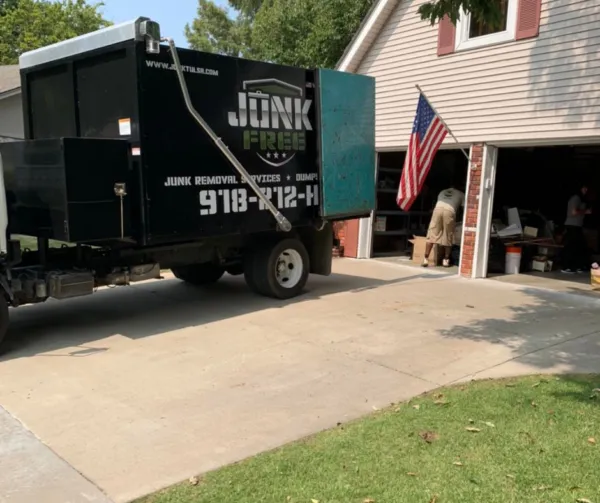
For dependable service and timely support, Junk Free in Tulsa is ready to assist with your waste management needs. Whether you’re handling a small home remodel or a large construction project, their team provides efficient solutions tailored to your requirements.
For bookings or inquiries, contact +1 918-212-4285 and ensure your project stays clean, organized, and on track from start to finish.
https://deanchavez48.podbean.com/e/reliable-dumpster-rental-for-construction-and-renovation
https://www.podomatic.com/podcasts/deanchavez48podcast/episodes/2026-05-07T18_26_37-07_00