
Consider the Type of Project
Start by identifying what kind of cleanup you are completing. A small garage cleanout will produce much less waste than a whole-house renovation or demolition project.
For smaller jobs, such as clearing one room, removing household clutter, or cleaning an attic, a smaller container may provide enough capacity. Larger home cleanouts involving furniture, appliances, boxes, and general household waste typically require more room.
Construction and remodeling projects need additional planning. Removing drywall, flooring, cabinets, roofing materials, or other building materials can quickly fill a container. Consider how many rooms are involved and whether demolition will generate additional debris.
Having a clear idea of the project’s scope gives you a better starting point for choosing an appropriate size.
Estimate How Much Waste You Have
Before ordering, estimate the amount of debris your project will produce. You do not need an exact measurement, but a reasonable estimate can help you avoid choosing a container that is too small.
Group your materials by type and consider how much space they occupy. Furniture, cardboard, yard waste, renovation debris, and household items all take up different amounts of room.
Keep in mind that irregularly shaped objects can leave empty spaces. Breaking down cardboard and safely dismantling furniture may help maximize available space.
It is also smart to leave some extra capacity for unexpected debris. If you are unsure about the amount of waste, describe your project to the rental provider and ask for a recommendation.
Understand Dumpster Sizes
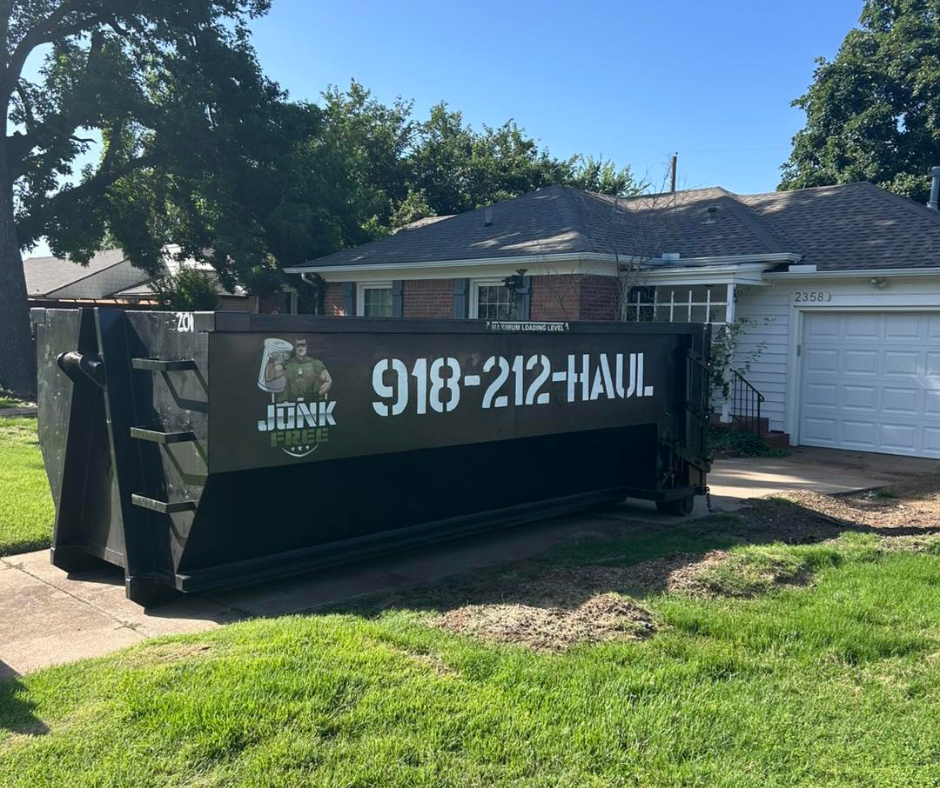
Container sizes are generally measured in cubic yards, although the exact dimensions vary by provider. Smaller options are commonly used for light household cleanouts, while medium and larger containers are better suited to renovations and construction projects.
Think about the overall volume of your waste instead of simply counting individual items. A few large pieces of furniture can take up more space than many small boxes.
The physical dimensions of the container also matter. A container may have the capacity you need but still be difficult to load if large objects cannot fit efficiently.
Always confirm the provider’s actual dimensions, capacity, and weight allowance before ordering.
Account for Bulky Items
Large furniture and other oversized objects can quickly consume available space. Sofas, mattresses, cabinets, tables, appliances, and shelving may require more room than their quantity suggests.
Make a list of the largest items you expect to dispose of. When possible and safe, disassemble furniture or other objects so they can be arranged more efficiently.
However, check disposal rules before loading unusual or bulky items. Some appliances, electronics, tires, chemicals, and other materials may have special restrictions.
Planning for bulky items ahead of time can help you avoid filling the container before the rest of your cleanup is complete.
Consider the Weight of Your Waste
Volume is not the only factor to consider. The weight of your debris can affect which container is appropriate and whether additional charges apply.
Light materials such as cardboard, clothing, and household clutter may fill a container without becoming especially heavy. Concrete, brick, soil, tile, roofing materials, and other construction debris can become very heavy even when there is still unused space.
If your project involves heavy materials, ask about weight limits before scheduling delivery. A container intended for heavy debris may be more suitable than a larger general-purpose option.
Knowing both the estimated volume and weight of your waste can help you choose more accurately.
Leave Some Extra Room
It is tempting to select a container based on the exact amount of waste you expect. However, leaving some extra room can make loading easier and provide flexibility if your project produces more debris than expected.
Waste rarely stacks perfectly. Furniture and irregularly shaped materials can create gaps, while loose debris may settle during loading.
You should also follow the provider’s fill requirements. Materials generally need to remain below the top edge so the container can be transported safely.
Choosing a little extra capacity can be particularly helpful for renovation projects where additional debris may appear after demolition begins.

Match the Container to Your Timeline
Your project schedule can also influence the best size. A weekend cleanup may produce most of its waste quickly, while a remodeling project may generate debris over several weeks.
Ask how long the container can remain at your property and whether additional rental days are available. Understanding the rental period helps you plan your cleanup without unnecessary interruptions.
If you have a strict project deadline, having enough capacity from the beginning can prevent delays caused by an unexpectedly full container.
Explain your expected timeline to the provider so they can help you determine an appropriate rental arrangement.
Check Placement Requirements
Before delivery, make sure you have a suitable location for the container. Driveways are common placement areas, but available space and local requirements should be considered.
The delivery truck needs enough room to access the property and safely position the container. Check for narrow driveways, overhead branches, fences, parked vehicles, and other obstacles.
If you plan to place the container on a public street or another restricted area, local permits or regulations may apply. Ask the provider about these requirements before delivery.
Proper placement planning helps prevent delivery problems and ensures the container can be used safely throughout the project.
Check What Materials Are Allowed
Different rental companies have different rules about what can be placed inside their containers. Certain hazardous, toxic, flammable, or regulated materials may be prohibited.
Before starting your cleanup, ask for a list of accepted and restricted materials. Items such as chemicals, fuels, batteries, certain electronics, tires, and asbestos-containing materials may require specialized disposal.
If you are uncertain about an item, ask before putting it into the container. Separating restricted materials in advance can prevent delays, additional charges, or the need to remove them later.
Knowing the disposal rules is just as important as selecting the correct capacity.
Compare the Total Cost
Do not compare containers based only on the advertised rental price. Look at the complete cost, including delivery, pickup, disposal, rental duration, weight allowances, and potential overage charges.
A smaller container may seem less expensive, but if it cannot hold everything, you may need another rental. In some cases, choosing a slightly larger container from the beginning can be more economical.
On the other hand, choosing a much larger option than necessary may result in paying for unused capacity.
Compare the included services and weight limits before making your decision. The best value is the option that provides enough capacity for your project without unnecessary expense.
Conclusion
Choosing the right Dumpster size requires more than estimating how many bags of waste you have. Consider your project’s overall size, the volume and weight of your debris, bulky items, rental timeline, placement requirements, and accepted materials. Leaving some extra capacity can also help prevent problems when your project produces more waste than expected.
If you are planning a cleanup project in Tulsa, Junk Free can help you determine a practical disposal solution based on your needs. For questions about your project or to discuss your options, contact Junk Free at +1 918-212-4285. A little planning before delivery can help make your cleanup more efficient and avoid unnecessary costs.
https://www.buzzsprout.com/2649534/episodes/19771325
https://www.podomatic.com/podcasts/deanchavez48podcast/episodes/2026-09-08T04_54_14-07_00
https://stream.redcircle.com/episodes/d8467ea7-9932-435b-bee2-4044a5887460/stream.mp3