
How Dumpster Capacity Is Measured
Dumpster capacity is usually measured in cubic yards. One cubic yard represents a space measuring 3 feet long, 3 feet wide, and 3 feet high.
For example, a 10-yard container can hold approximately 10 cubic yards of loose material. A 20-yard container provides roughly twice that amount of space, while 30- and 40-yard options are intended for larger projects.
However, cubic-yard capacity does not tell the entire story. Lightweight materials such as cardboard and furniture can fill a container without becoming extremely heavy, while concrete, soil, and bricks can reach weight limits much faster.
For this reason, both volume and weight should be considered when estimating how much waste your project will produce.
What a 10-Yard Dumpster Can Hold
A 10-yard container is suitable for many smaller cleanup projects. It can work well for a single-room cleanout, garage cleanup, minor remodeling project, or a limited amount of household debris.
It can hold items such as boxes, furniture, carpeting, household clutter, and other permitted materials. Because bulky objects take up space quickly, breaking down appropriate items can help you use the available capacity more efficiently.
A 10-yard option may not be suitable for a large renovation or complete home cleanout. Heavy materials can also reach weight restrictions before the container is physically full.
If your project involves only a modest amount of lightweight waste, however, this smaller size can provide a practical solution without taking up unnecessary space.
What a 20-Yard Dumpster Can Hold
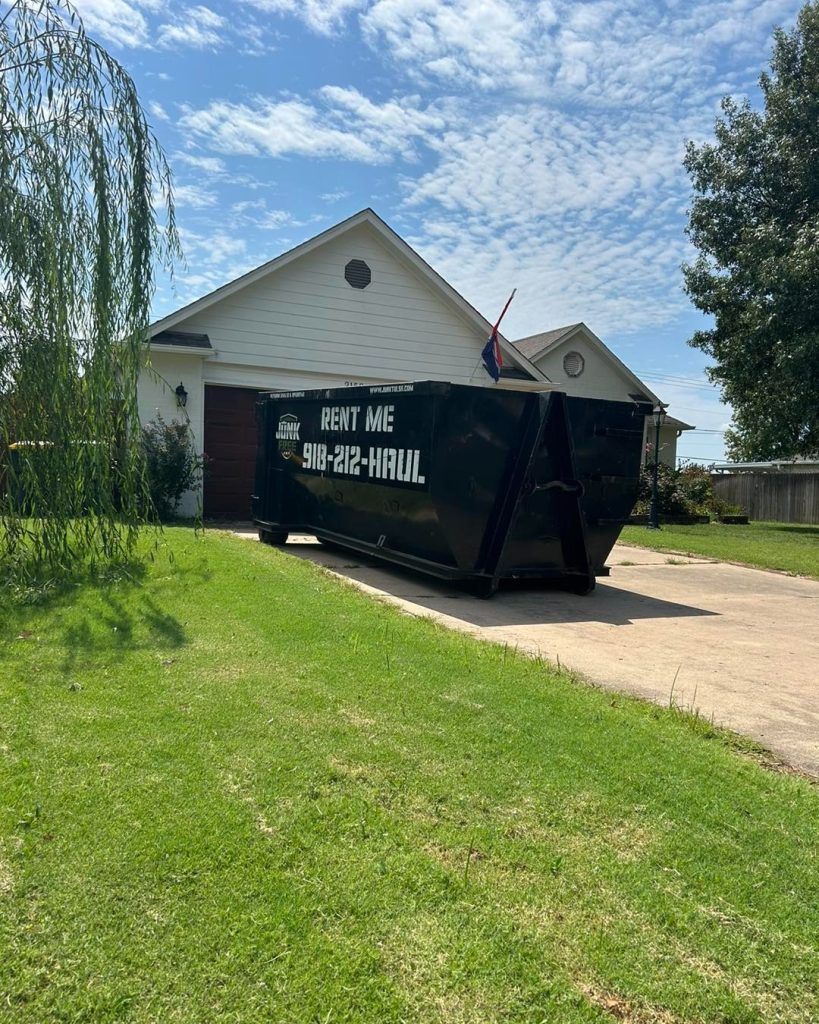
A 20-yard container offers approximately twice the volume of a 10-yard option. It is often appropriate for medium-sized residential projects and renovations.
This size can accommodate materials such as drywall, flooring, cabinets, furniture, boxes, and general household debris. It can also be useful for basement, attic, or moving-related cleanouts.
The additional capacity gives you more flexibility when the exact amount of waste is difficult to estimate. However, weight restrictions still need to be considered when disposing of dense materials.
For many homeowners, a 20-yard container provides a useful balance between capacity and physical size.
What a 30-Yard Dumpster Can Hold
A 30-yard container is designed for larger projects that produce significant amounts of waste. It can hold approximately 30 cubic yards of material, making it suitable for major renovations, large cleanouts, and many construction projects.
It can accommodate substantial amounts of wood, drywall, flooring, cabinets, furniture, and other permitted debris. Having additional capacity can also reduce the need for multiple disposal trips.
Even with a large container, waste should remain below the designated fill line. Materials should also be distributed evenly to make loading and transportation safer.
If the project includes heavy debris such as concrete or soil, ask about weight restrictions before filling the container.
What a 40-Yard Dumpster Can Hold
A 40-yard container generally provides the largest standard capacity used for many residential and commercial cleanup projects. It can hold approximately 40 cubic yards of waste.
This size may be appropriate for large construction jobs, commercial renovations, building cleanouts, and extensive property projects. Its larger capacity is particularly useful when substantial amounts of bulky debris are generated.
However, a 40-yard container does not have unlimited weight capacity. Heavy materials may require special disposal arrangements or a different type of container.
You should also make sure there is enough room on the property for delivery, placement, loading, and removal.
How Waste Type Affects Capacity
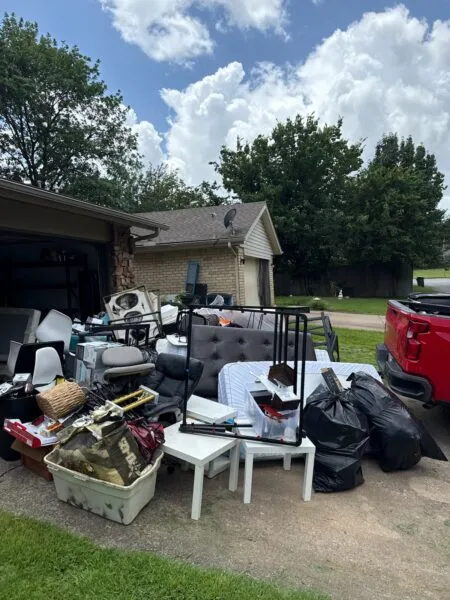
The type of waste has a major impact on how much material can be safely placed inside a container. Lightweight waste primarily creates a volume issue, while dense materials can quickly create a weight issue.
Cardboard, clothing, furniture, packaging, and similar household materials can take up significant space while remaining relatively light.
Concrete, brick, soil, rocks, and tile are much denser. A container containing these materials may reach its weight limit while still having plenty of empty space.
If your project includes multiple types of debris, consider both the approximate volume and total weight. This can help you select a suitable container without exceeding disposal restrictions.
Why You Should Not Overfill a Dumpster
Containers should not be filled above their designated fill line. Overfilled waste can fall out during transportation and create safety hazards.
Lightweight materials such as cardboard, plastic, and insulation can be particularly problematic because wind may blow them from an uncovered or overloaded container.
Overfilling can also result in the provider requiring you to remove excess material before the container can be transported. This can delay your project and create additional work.
Loading waste evenly and keeping everything below the fill line helps make transportation safer and ensures the container can be removed properly.
How to Estimate Your Waste
Start by identifying the type and size of your project. A small bedroom cleanout will produce much less waste than a whole-house renovation.
Make a list of major items you expect to dispose of, including furniture, appliances, boxes, drywall, flooring, cabinets, or other debris.
Bulky items can consume space quickly, so dismantling appropriate furniture and flattening cardboard may help maximize the available volume.
Avoid packing materials in a way that creates unsafe conditions. Waste should remain manageable and comply with the provider’s disposal requirements.
If you cannot estimate the amount accurately, explain the project to your waste removal provider. They can help you determine which size is most appropriate.
Factors That Affect Container Capacity
Several factors can affect how much usable space you have. The dimensions of the container, the size of individual items, and the way materials are loaded all influence capacity.
Bulky furniture can leave large gaps, while smaller items can often be arranged around larger pieces. Proper loading can therefore make better use of the available space.
Weight is another major consideration. Heavy materials may require limits even when there is still room inside the container.
You should also check whether specific materials are prohibited. Hazardous substances, chemicals, certain electronics, tires, and other regulated waste may require separate disposal methods.
How to Choose the Right Size
Choosing the right size starts with estimating both the volume and type of waste your project will generate. Lightweight household debris usually requires more attention to available space, while construction materials may require more attention to weight.
Consider the size of the project, how quickly waste will accumulate, and how much space is available for container placement.
When you are uncertain, provide the waste removal company with details about your project and the materials you plan to dispose of. Professional guidance can help you avoid selecting a container that is too small or unnecessarily large.
Conclusion
Choosing the right Dumpster size can make a major difference during a home cleanout, renovation, construction project, or property cleanup. Common container sizes range from about 10 to 40 cubic yards, but the amount of waste you can safely dispose of also depends on material type and weight.
Lightweight household waste is primarily limited by volume, while dense materials such as concrete, soil, and brick can reach weight restrictions much sooner. Avoid overfilling the container and always follow the provider’s loading and disposal requirements.
For reliable waste removal assistance in Tulsa, Junk Free LLC can help you find a practical solution for your cleanup project. For questions or service information, call +1 918-212-4285.