
Knowing what materials can go into a dumpster is important before starting a home cleanup, renovation, move, or construction project. While dumpsters can handle many common types of waste, not everything can be placed inside them. Certain materials may be restricted because they require specialized handling, disposal methods, or recycling processes.
Understanding these restrictions can help prevent unexpected disposal problems and keep the project organized. Commonly accepted materials may include household junk, furniture, construction debris, yard waste, and other non-hazardous items, depending on the rental provider and local requirements.
Before filling a dumpster, it is important to understand what is allowed, what may require special arrangements, and how the waste should be prepared for disposal.
What Materials Are Commonly Accepted?
Many dumpster rentals are designed to handle ordinary household, renovation, and construction waste. Common examples can include furniture, boxes, clothing, appliances that are permitted by the provider, carpeting, drywall, wood, and general household debris.
The exact list of accepted materials can vary depending on the dumpster company, container type, local regulations, and disposal facility. A dumpster intended for construction debris may have different requirements from one used primarily for household cleanouts.
Before loading the container, customers should confirm the provider’s accepted-material guidelines. This can help avoid placing restricted items inside the container.
Can You Put Furniture in a Dumpster?
Furniture is commonly accepted in many dumpster rentals. Items such as tables, chairs, cabinets, desks, shelves, and other household furnishings may generally be suitable for disposal.
Large furniture should be prepared carefully so it can fit efficiently inside the container. Breaking down certain items when practical can create additional space and make loading easier.
Mattresses, upholstered furniture, and other bulky items may have specific disposal requirements in some locations. Checking with the rental provider before disposal is important, especially if the project includes a large amount of furniture.
Can Construction Debris Go in a Dumpster?
Many dumpsters are used for construction and renovation debris. Depending on the rental service, materials such as wood, drywall, flooring, roofing materials, cabinets, and other non-hazardous renovation waste may be accepted.
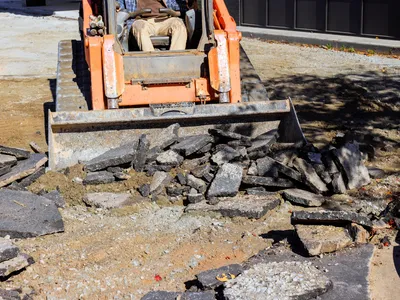
Heavy materials can have special requirements because concrete, brick, dirt, and similar debris can quickly reach the container’s weight limit. Some providers offer specific containers for heavy construction materials.
Before ordering a container, discuss the type and estimated amount of debris with the provider. This can help determine whether the selected dumpster is appropriate for the project.
Can Yard Waste Be Put in a Dumpster?
Yard waste may be accepted by some dumpster providers, but requirements can vary. Grass clippings, branches, leaves, and other organic yard debris may have separate disposal or recycling requirements in certain areas.
Large branches may need to be cut into manageable pieces before being placed into the container. Soil, rocks, tree stumps, and other heavy materials may also have different restrictions.
If the cleanup involves a substantial amount of landscaping waste, ask the rental provider whether the selected container is suitable. Local disposal rules can also affect which yard materials are accepted.
Are Appliances Allowed in a Dumpster?
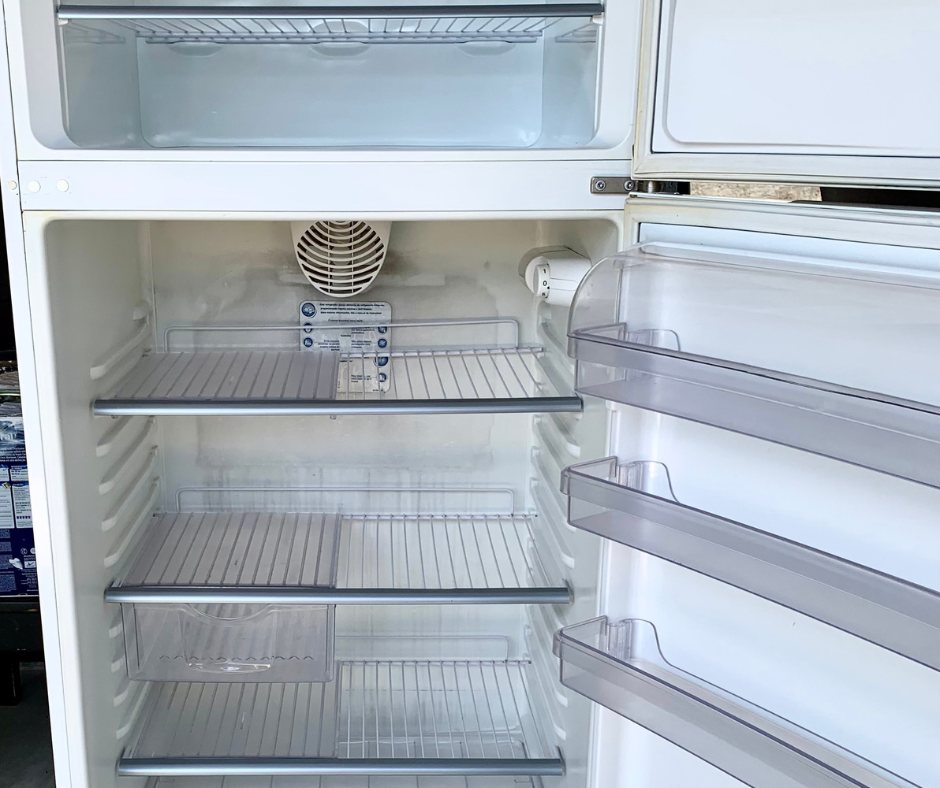
Some appliances can be placed in dumpsters, but restrictions may apply. Refrigerators, freezers, air conditioners, and other equipment may contain refrigerants or other components requiring specialized handling.
Certain appliances may also contain batteries, electronics, or other materials that require separate recycling or disposal. Because requirements differ between providers and locations, customers should confirm acceptance before loading appliances.
If an appliance is accepted, preparing it according to the provider’s instructions can make the disposal process easier. Items should never be placed in a container without checking applicable restrictions first.
What Items Are Usually Restricted?
Certain materials are commonly restricted from standard dumpster disposal. These can include hazardous chemicals, fuels, certain paints, pesticides, medical waste, and other materials that may pose environmental or safety concerns.
Some electronics, tires, batteries, propane tanks, and appliances may also require specialized disposal depending on local regulations and the rental provider’s policies.
Restrictions exist because these materials may require separate processing, recycling, or treatment. Customers should always ask about questionable items instead of assuming they can be placed in the container.
Can Household Junk Go in a Dumpster?
A dumpster can be useful for many household cleanout projects. General junk such as unwanted clothing, toys, boxes, household items, old furniture, and other non-hazardous debris may commonly be accepted.
When cleaning out a home, it is helpful to separate items before loading. Materials that can be donated, recycled, or disposed of through specialized programs can be handled separately from ordinary trash.
This approach can make the cleanup more organized while helping ensure that restricted materials do not end up in the container.
How Should Items Be Loaded?
Proper loading can help maximize the available space and keep materials contained. Larger items can be placed toward the bottom when practical, while smaller debris can fill open spaces.
Waste should remain inside the container rather than extending above its designated fill line. Overloading can create transportation and safety concerns and may violate the rental provider’s requirements.
Heavy materials should also be distributed rather than concentrated in one area. Following the provider’s loading instructions can help make the container easier to transport.
Why Should You Check Before Renting?
Checking accepted materials before renting a dumpster can help prevent delays and unexpected disposal issues. Different providers may have different rules regarding household waste, construction debris, appliances, yard waste, and other materials.
The type of project should also be considered when selecting a container. A home cleanout, renovation, roofing project, and landscaping job may produce very different types of waste.
Providing the rental company with an accurate description of the materials can help determine which container and disposal arrangement are appropriate.
How Can You Dispose of Restricted Items?
Restricted materials should not simply be placed inside a dumpster. Depending on the material, they may need to be taken to a specialized recycling center, household hazardous waste facility, transfer station, or another approved disposal location.
Local rules can determine where certain materials may be taken. The rental provider may also be able to explain which items require separate disposal.
Planning for restricted materials before the project begins can make the cleanup process easier. It also helps prevent prohibited waste from being mixed with ordinary debris.
Conclusion
Knowing what can and cannot go into a dumpster helps make cleanup, renovation, and construction projects more organized. Commonly accepted materials may include household junk, furniture, certain appliances, construction debris, and yard waste, but acceptance rules can vary by provider and location.
Restricted materials such as hazardous chemicals, certain batteries, fuels, refrigerants, and other specialized waste should be handled through appropriate disposal channels. Checking the rules before loading the container can help prevent problems and ensure materials are handled properly.
For customers in Tulsa, Junk Free LLC can provide information about dumpster and junk disposal options. To discuss your project and determine what disposal services may be appropriate, contact +1 918-212-4285.